




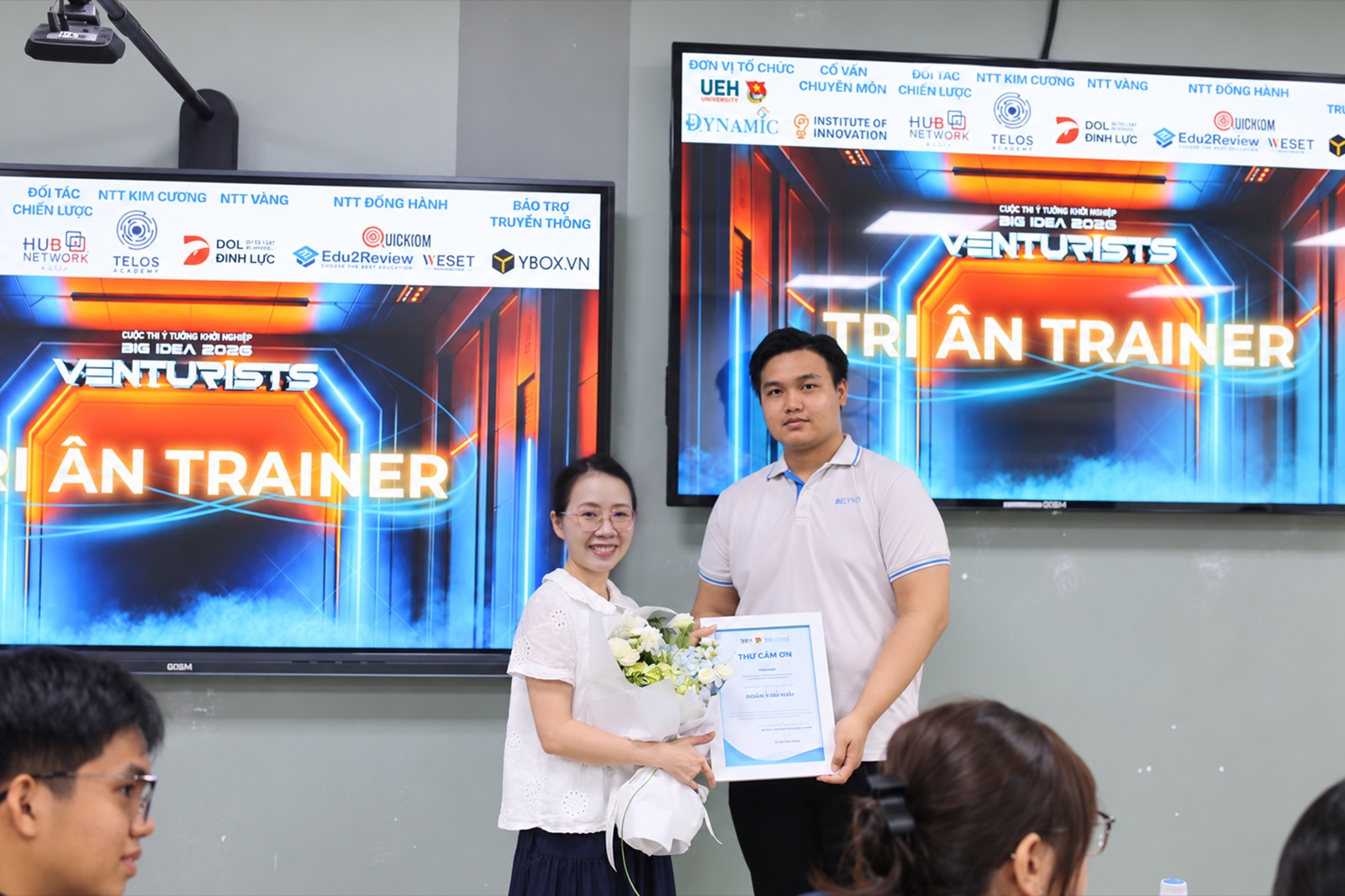
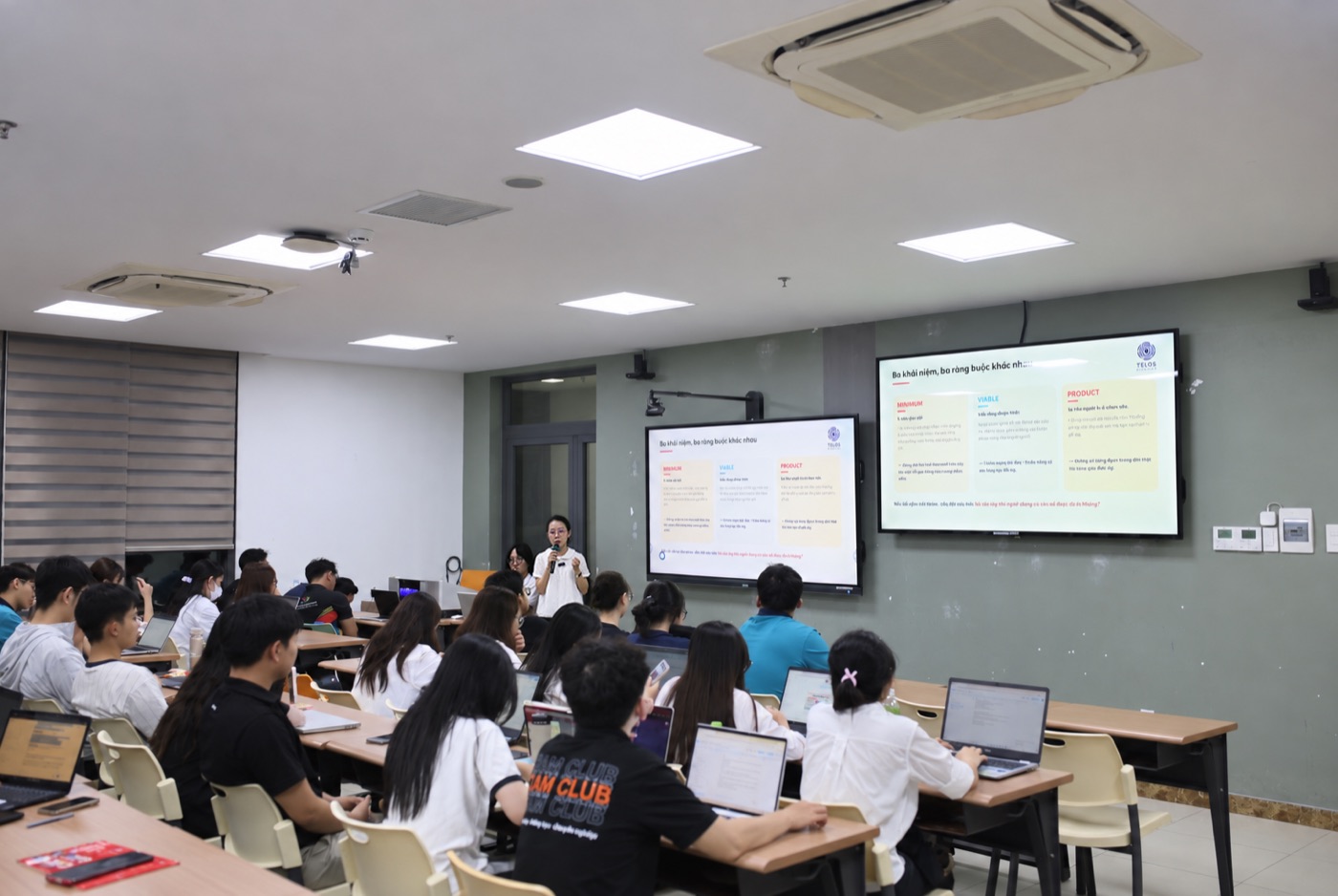
Trainer · Most recent
Product contest at UEH
Trainer for the Big Idea 2025 product contest at UEH, coaching student teams from a rough idea to a product pitch.
01
Reaching forAI-native experiences
Shaped byDesign systems & SaaS products
Rooted inResearch & systems thinking
Still growing. Still becoming.
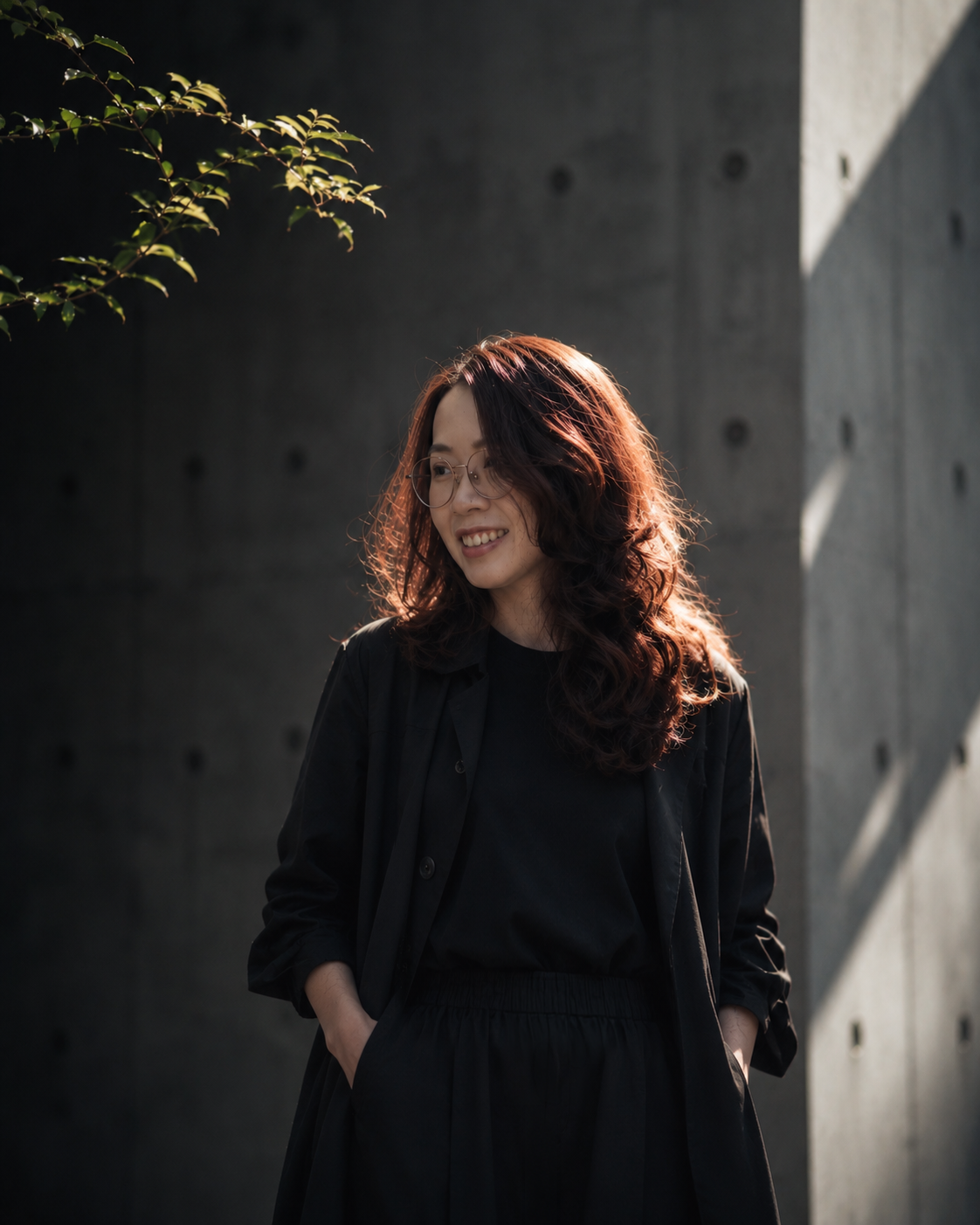
For over a decade I’ve designed B2B and B2C products - from early-stage MVPs to enterprise platforms used by thousands of people.
I work end to end, connecting product strategy, design systems, AI and engineering so products stay coherent as they grow. Today I’m exploring how AI-native products can become more adaptive and easier to understand.
Every stage of my career taught me something different - and each lesson became part of how I design today.
Outsourcing taught me speed, discipline and the fundamentals of visual communication.
Product teams taught me ownership, prioritization and user-centered thinking.
B2C products taught me consistency, scalable components and designing for millions of readers.
Enterprise SaaS taught me complexity, domain thinking and cross-functional impact.
AI is changing how products are built, experienced and evolve - and I’m building at that edge.
Contests, workshops, meetups and classrooms - I learn the most when I’m sharing with other designers, organizing, speaking, hosting and coaching.
Keep scrollingSwipe
Trainer for the Big Idea 2025 product contest at UEH, coaching student teams from a rough idea to a product pitch.
01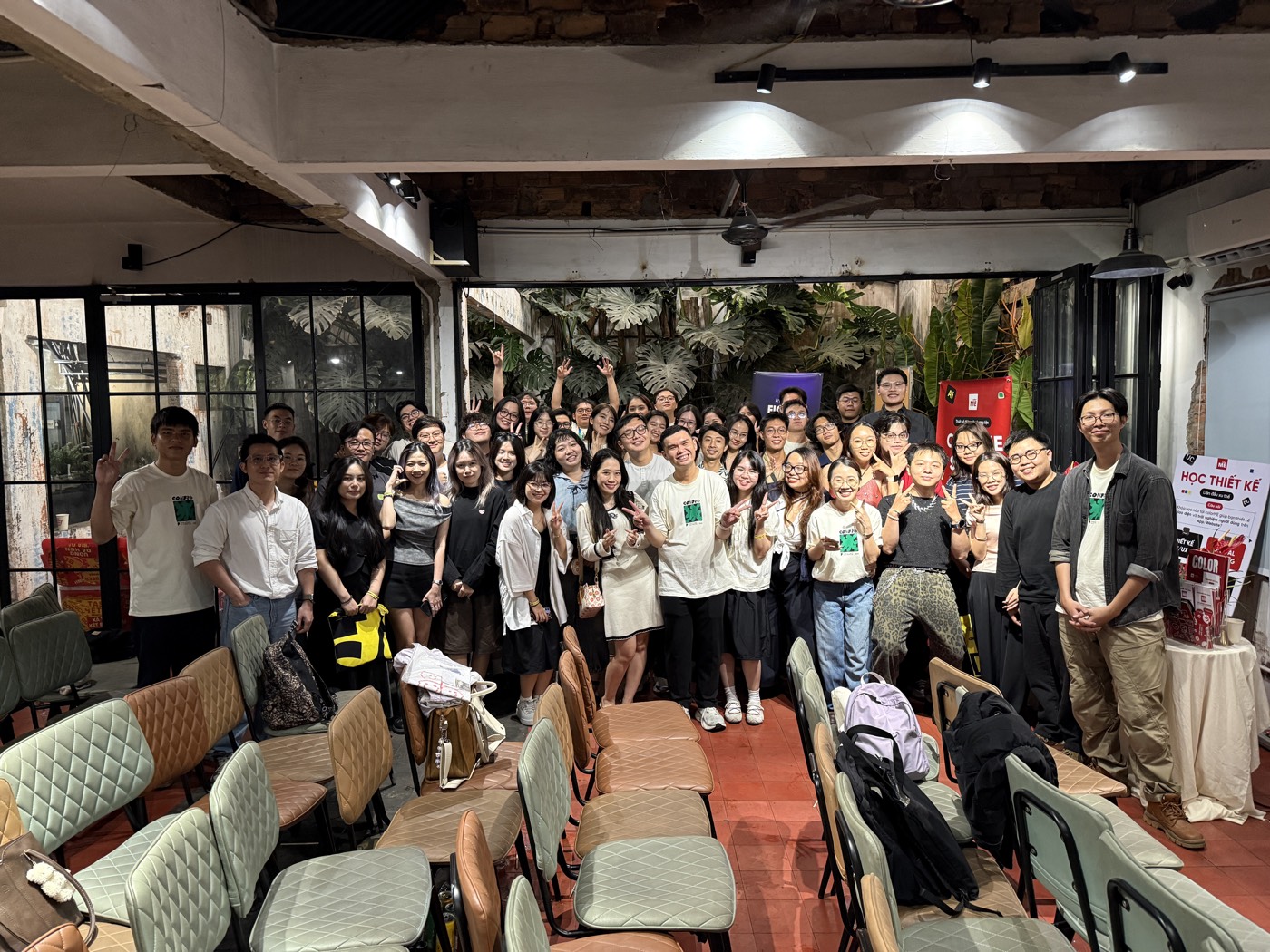
A mini design contest for the Figma Config community in Ho Chi Minh City - a room full of designers building together.
02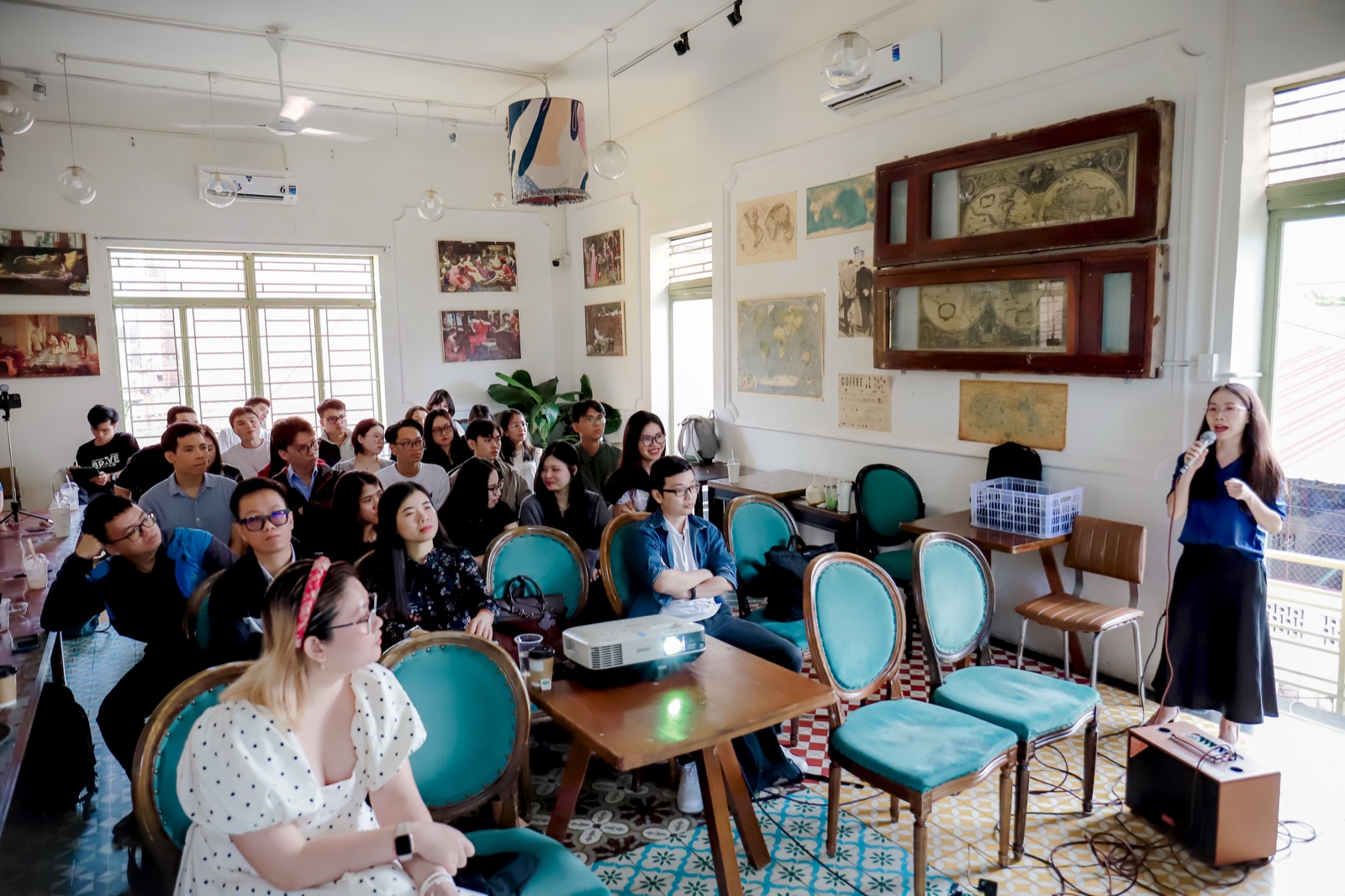
Speaking at workshops on design systems and product thinking for designers who want to grow beyond screens.
03Hosting meetups where designers swap real stories from real products.
04Organizing and joining design contests - the fastest way I know to learn under pressure.
05Away from the screen I’m usually outdoors, looking after my plants, writing something down - or with my daughter.
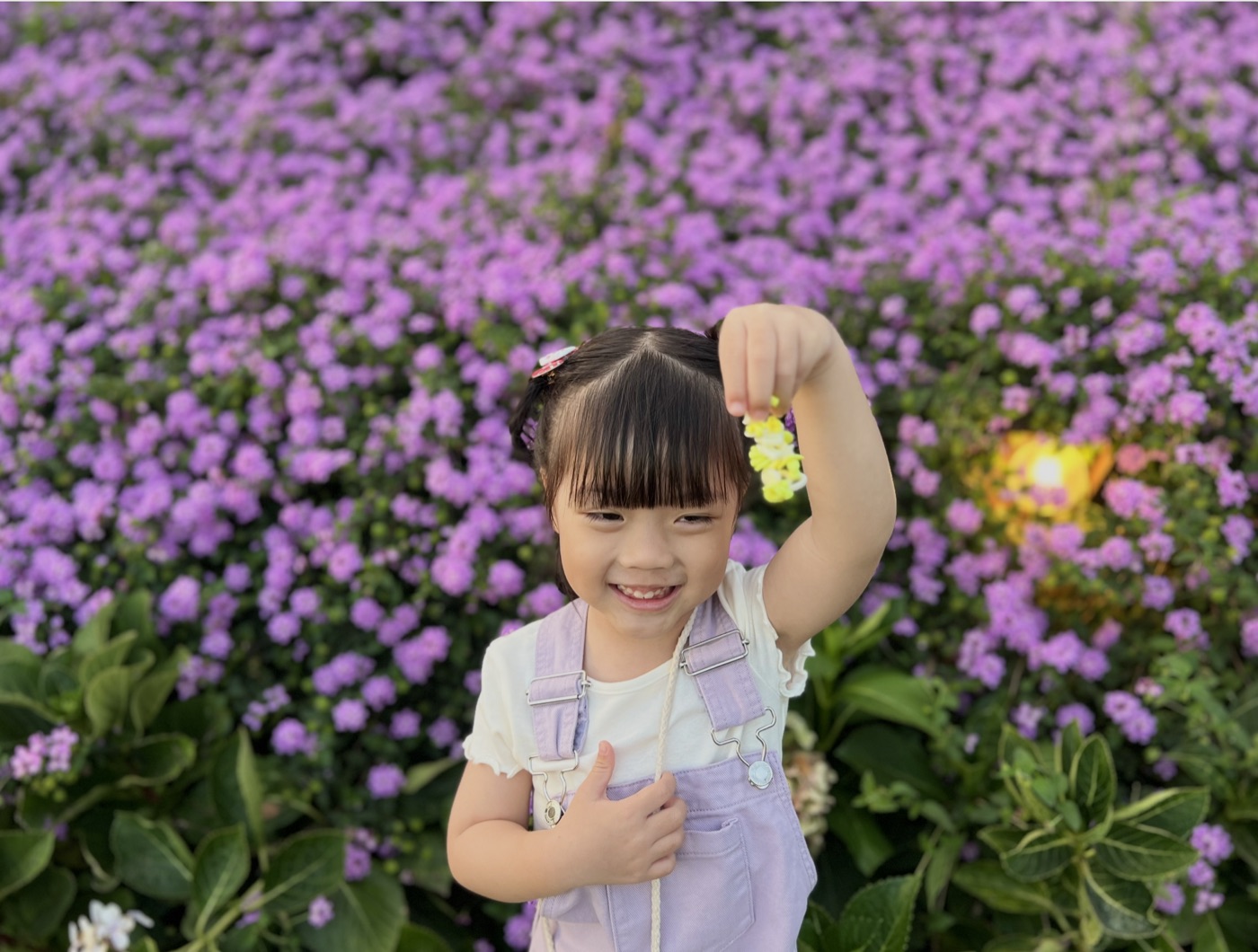 My daughter
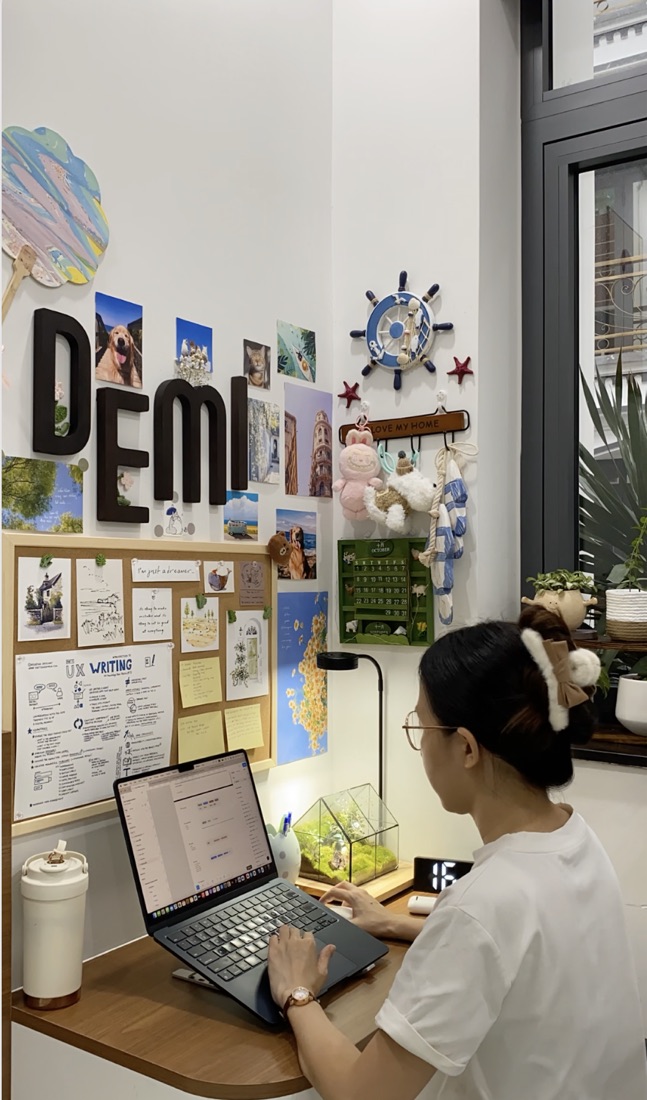 Writing
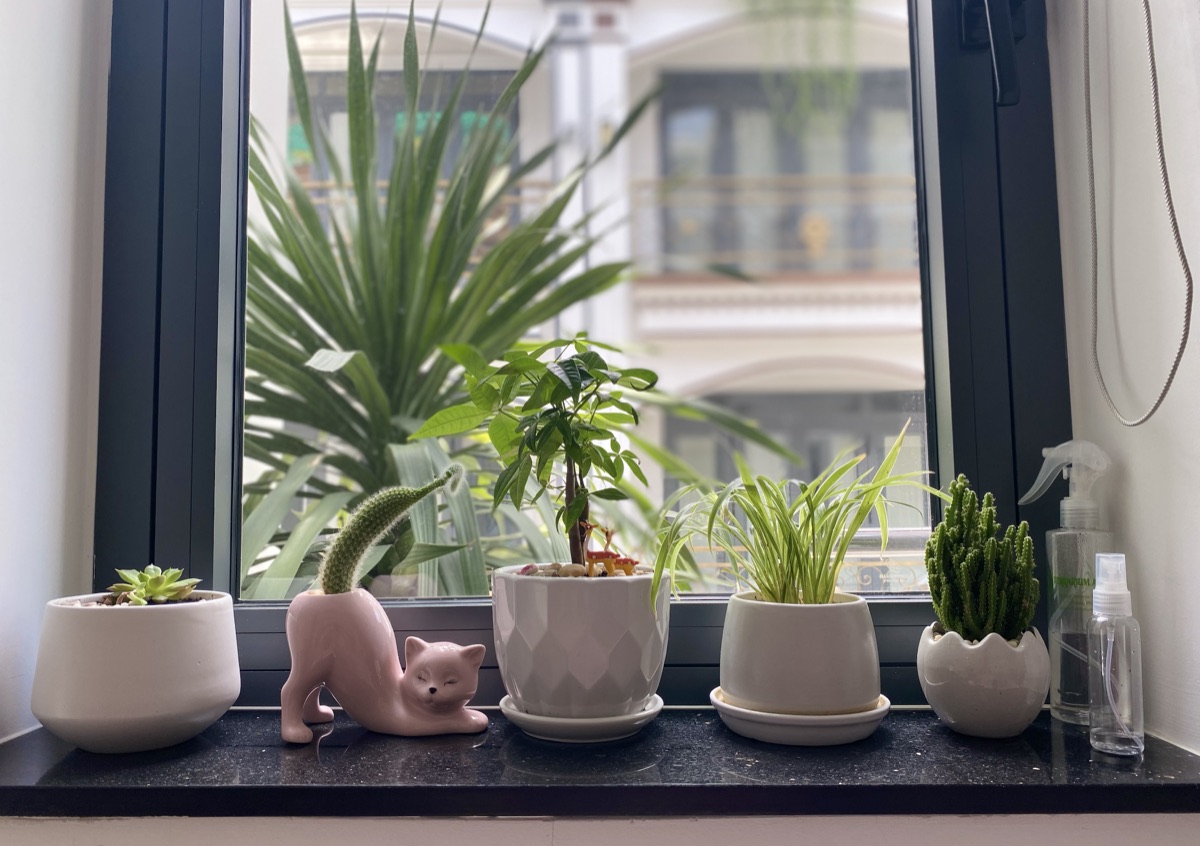 Plants
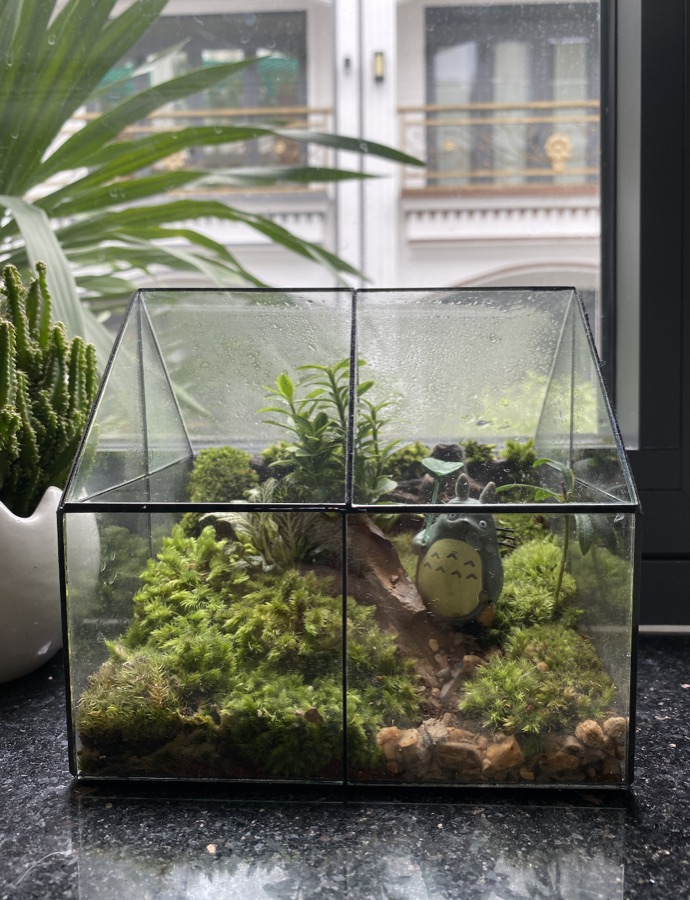 Tiny worlds
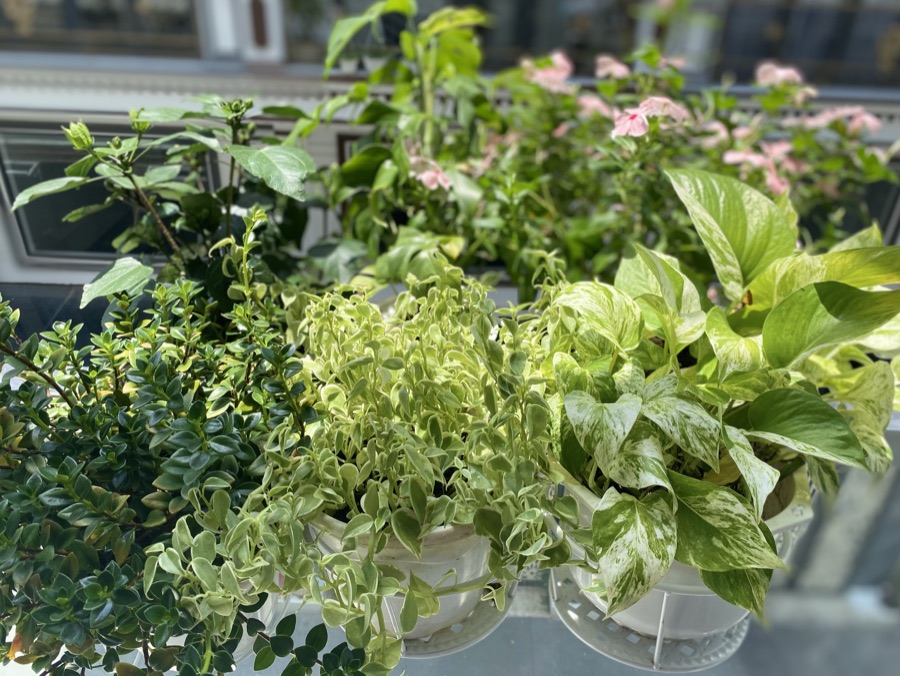 Nature